
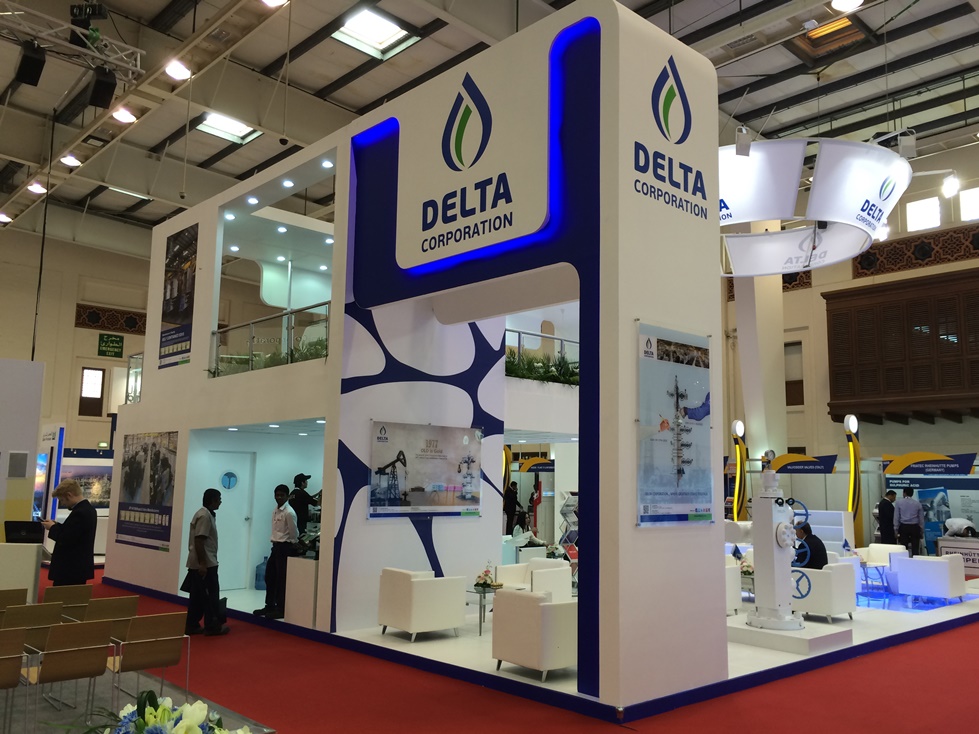
Exhibitions are complex projects that require step-by-step management. Every successful exhibition moves through specific levels that help shape its planning, execution, and impact. These five levels are not just steps; they form a framework to manage the full process clearly and effectively. Whether the goal is to promote a product, build relationships, or raise awareness, each level plays a critical role in delivering a strong exhibition experience.
Level 1: Planning and Strategy
The first level is the foundation. Without a clear plan, the entire event can lose focus.
Objective Setting
Start by defining clear, measurable goals. These could include lead generation, sales, brand exposure, or networking. Goals help guide decisions and keep the team aligned.
Target Audience
Identify who the exhibition is for. This might include potential customers, industry partners, or media. Knowing the audience helps in shaping the message, design, and communication approach.
Budgeting
Allocate a realistic budget. Include costs like booth space, design, travel, staffing, marketing, and logistics. Always plan for a buffer to handle unexpected costs.
Timeline and Project Plan
Create a project timeline with key milestones and deadlines. Assign responsibilities early to avoid last-minute confusion. Planning tools like Gantt charts or task boards can help track progress.
Level 2: Design and Development
This level turns the plan into a physical and visual reality. It involves both creative design and logistical preparation.
Booth and Space Design
Design should attract attention and support the brand message. Use lighting, color, and layout to guide visitors. Make sure the space is accessible and easy to navigate. If you’re working internationally, finding a reliable exhibition stand designer in Dubai can be valuable for high-traffic events in the region.
Message and Visuals
The core message should be clear at a glance. Visuals, banners, screens, and demos must all support this message. Avoid clutter. Simplicity works best in crowded environments.
Vendor Coordination
Work with contractors and suppliers early. Finalize booth materials, displays, printed assets, and any interactive tech. Review and approve samples well before deadlines.
Team Training
Work with contractors and suppliers early. Finalize booth materials, displays, printed assets, and any interactive tech. Review and approve samples well before deadlines.
Level 3: Pre-Event Promotion
Even the best-designed exhibition space needs visitors. Promotion is essential to draw the right crowd.
Marketing Channels
Use a mix of channels like email, social media, industry websites, newsletters, and press releases. Focus on channels that reach your target audience.
Event Invitations
Send personalized invites to key contacts. Use clear messaging and make it easy for people to RSVP.
Online Presence
Update your website with exhibition details. If the event has an app or directory, make sure your profile stands out.
Media Outreach
Reach out to journalists or bloggers who cover your industry. Provide them with press kits or exclusive previews.
Level 4: Event-Day Execution
The fourth level is where everything happens live. This is the most visible phase and demands real-time focus.
Booth Management
Keep the booth clean, welcoming, and active. Staff should be alert, approachable, and ready to answer questions. Avoid having staff eat, sit idle, or check phones during visitor hours.
Visitor Engagement
Engage people with live demos, samples, or interactive elements. Ask questions to understand their needs and offer relevant solutions.
Lead Collection
Use lead capture forms, QR codes, or badge scanners to record visitor info. Make notes about each contact for easier follow-up.
Problem Solving
Things may go wrong. Be ready to handle tech issues, late shipments, or changes in schedules calmly and efficiently.
Level 5: Post-Event Follow-Up
After the event ends, important work still remains. This level ensures that the impact of the exhibition carries forward.
Tear-Down and Logistics
Dismantle the booth carefully. Track all materials, especially electronics or rented Exhibition equipment. Ensure everything is packed and shipped correctly.
Data Review
Analyze lead data, visitor traffic, and feedback. Review performance against the original goals. What worked well? What can be improved?
Thank-You Notes and Emails
Send follow-up messages to everyone you engaged with. A short message thanking them for their time can help build stronger relationships.
Reporting
Prepare a report for stakeholders. Include metrics like number of leads, booth visitors, social media reach, and estimated return on investment.
Internal Review
Hold a team meeting to discuss the experience. Document lessons learned and save planning files to make the next exhibition smoother.
Frequently Asked Questions
How early should I start planning an exhibition?
Start at least 6–12 months before the event date. This allows time for venue booking, design, logistics, and promotion.
What if my exhibition budget is limited?
Focus spending on key impact areas—like booth design and pre-event promotion. Consider shared booths or simpler setups that still look professional.
How can I attract more visitors to my booth?
Use eye-catching visuals, live demonstrations, and pre-event promotion. Train your team to be proactive and welcoming.
What tools help with lead collection?
Badge scanners, QR code apps, or digital lead capture forms work well. Choose one that integrates with your CRM or contact system.
Why is follow-up important after the exhibition?
Many leads go cold without follow-up. Sending a timely message shows professionalism and can turn interest into business opportunities.
What’s the biggest mistake to avoid during an exhibition?
Poor staff engagement. If your team looks disinterested or unprepared, it affects how visitors perceive your brand.
Conclusion
A successful exhibition depends on strong execution across all five levels. Planning creates the direction. Design brings the message to life. Promotion attracts the audience. Execution delivers the experience. Follow-up builds long-term value. By managing each level with care and focus, exhibitions become more than just events—they become effective tools for growth and connection.


