
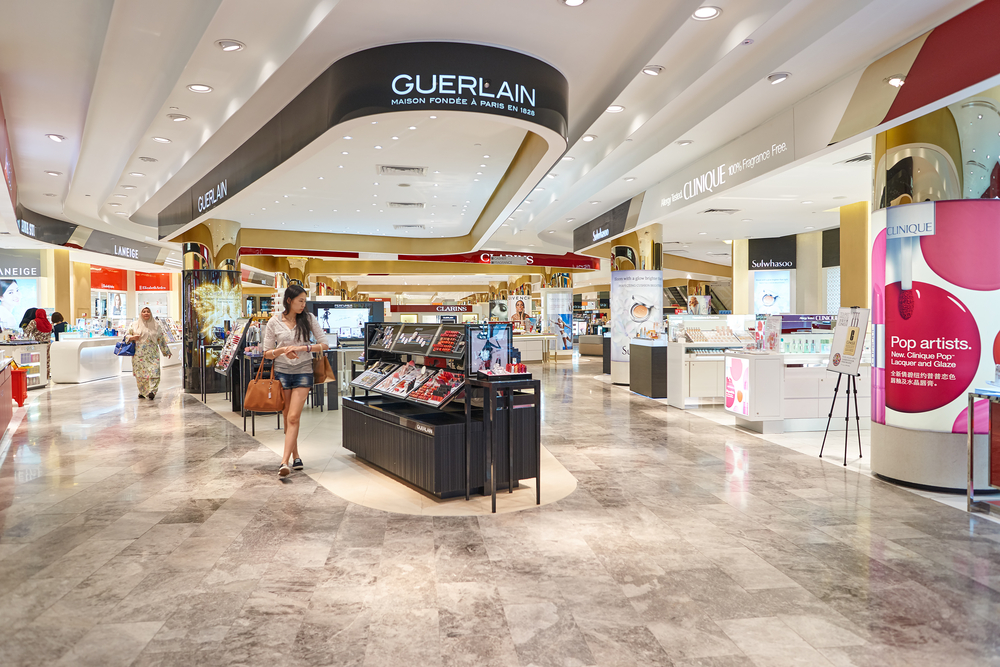
Retail kiosks have become an important part of modern shopping malls, especially in cities like Dubai where malls are designed as lifestyle destinations rather than just shopping spaces. From premium brands and startups to seasonal businesses, kiosks offer a smart way to enter high-footfall locations without the cost and commitment of a full retail store.
However, running a retail kiosk successfully is not just about placing a counter in a mall. It requires the right planning, professional design, trained staff, operational discipline, and a deep understanding of mall environments. This guide shares practical tips based on real mall experience to help businesses build profitable and sustainable retail kiosks.
Why Retail Kiosks Are Thriving in Modern Shopping Malls
Modern malls are built to encourage movement, interaction, and impulse buying. Kiosks fit perfectly into this ecosystem. They allow brands to position themselves directly in customer pathways, atriums, and central corridors where footfall is naturally high.
Retail kiosks are thriving because they:
- Require lower investment compared to full retail units
- Allow faster setup and launch timelines
- Provide flexibility for testing new products or markets
- Support seasonal, promotional, and pop-up retail strategies
In the UAE, malls actively encourage kiosk concepts because they add variety, improve space utilization, and enhance the overall shopping experience. For businesses, kiosks offer visibility and scalability when executed correctly.
Choosing the Right Location Inside a Mall
Location is one of the most important success factors for any retail kiosk. Even a well-designed kiosk can underperform if placed in a low-traffic or poorly visible area.
Successful kiosk locations are usually:
- Near escalators, elevators, or atrium spaces
- Positioned along main walking routes
- Close to anchor stores, food courts, or entertainment zones
- Visible from multiple angles
Before finalizing a location, businesses should study footfall patterns at different times of the day and week. Weekends, evenings, and holiday seasons often reveal traffic behavior that weekday observations may not show.
Mall management input is also valuable. Experienced mall operators understand which areas convert best for kiosks and which zones are better suited for branding rather than direct sales.
Designing a Kiosk That Attracts Customers Instantly
A retail kiosk has only a few seconds to capture attention. Unlike stores, there is no door, no window display depth, and no waiting area. Design must work instantly.
An effective kiosk design focuses on:
- Clear brand identity and colors
- Balanced lighting that highlights products
- Open and approachable layout
- Clean sightlines with no visual clutter
Design should support fast decision-making. Customers should understand what you sell within a few steps of approaching the kiosk.
Read Also: The Role of Color Psychology in Exhibition Stand Design
Importance of Professional Kiosk Design & Build Quality
Mall kiosks are subject to strict design and safety guidelines. Poorly built kiosks not only look unprofessional but may also fail mall approvals or create operational issues later.
Working with experienced kiosk manufacturers in UAE ensures:
- Proper material selection suitable for malls
- Safe electrical and lighting integration
- Durable finishes that handle daily wear
- Compliance with mall and civil defense standards
Professional build quality also improves brand trust. Customers subconsciously associate solid, well-finished kiosks with reliable products and services.
Selecting the Right Kiosk Manufacturer in Dubai
Choosing the right partner to design and build your kiosk is a strategic decision. A kiosk is not just furniture; it is a retail environment that represents your brand.
Reliable kiosk manufacturers in Dubai bring local experience, mall knowledge, and technical expertise that overseas or inexperienced vendors often lack.
A good manufacturer will:
- Understand mall approval processes
- Design according to space and regulation constraints
- Deliver projects on tight mall deadlines
- Offer practical solutions rather than generic designs
Mall Approval, Compliance, and Safety Standards
Every mall has its own approval process. Drawings, materials, electrical layouts, and branding elements are reviewed before permission is granted.
Key compliance areas include:
- Fire-retardant materials
- Certified electrical components
- Cable management and concealed wiring
- Structural stability and safety clearances
Ignoring these requirements can lead to delays, redesign costs, or even rejection. Experienced manufacturers handle these processes smoothly and reduce risk for business owners.
Product Placement and Visual Merchandising Strategies
Space is limited in kiosks, which makes product selection and placement critical. Trying to display too many products often creates clutter and confusion.
Successful kiosks focus on:
- Highlighting best-selling or high-margin items
- Using vertical displays to save counter space
- Keeping pricing clear and visible
- Allowing customers to interact easily with products
Visual merchandising should guide the customer journey. From first glance to purchase, the layout should feel logical and effortless.
Regular updates also help. Changing display arrangements seasonally keeps the kiosk fresh and encourages repeat attention from frequent mall visitors.
Training Staff for High-Footfall, Fast-Decision Sales
Kiosk staff play a much bigger role than store staff. They are the face of the brand and the primary driver of conversions.
Effective kiosk staff should:
- Greet customers confidently without being aggressive
- Deliver a clear product explanation in seconds
- Handle objections quickly and professionally
- Manage multiple customers during peak hours
Training should focus on product knowledge, body language, and mall etiquette. Staff must understand when to approach customers and when to step back.
In busy malls, staff behavior directly impacts brand perception. Calm, well-trained teams build trust and encourage purchases even in high-pressure environments.
Using Technology to Improve Kiosk Sales
Technology can significantly enhance kiosk performance when used correctly. Modern kiosks are no longer limited to cash drawers and basic counters.
Useful technology includes:
- Fast POS systems with inventory tracking
- Digital screens for promotions and videos
- QR code payments and mobile wallets
- Customer data capture for follow-ups
Digital displays are especially effective in malls, where movement and visuals naturally attract attention. Even simple animations or rotating offers can increase engagement.
Technology should remain simple and reliable. Overcomplicated systems can slow down service and frustrate both staff and customers.
Managing Daily Operations Efficiently
Operational discipline separates profitable kiosks from struggling ones. Because kiosks operate in public spaces, small issues are quickly noticed by customers and mall management.
Key operational areas include:
- Daily inventory checks and restocking
- Cleanliness and maintenance
- Secure cash handling procedures
- Staff scheduling aligned with footfall peaks
Mall environments are demanding. Power issues, cleaning schedules, and peak traffic times must be planned in advance.
Well-managed kiosks run smoothly even during busy periods, which builds customer confidence and improves sales consistency.
Marketing and Promotions for Mall Kiosks
Marketing for kiosks works differently than for online or standalone retail stores. The mall itself becomes the primary marketing channel.
Effective kiosk promotions include:
- Limited-time offers aligned with mall events
- Seasonal themes and visual updates
- Bundled product deals for quick decisions
- Collaboration with mall campaigns
Visual refresh is important. Small changes in lighting, signage, or display layout can significantly improve engagement without major investment.
Promotions should feel natural and not pushy. In mall environments, customers are more responsive to value-driven offers rather than aggressive sales tactics.
Common Mistakes Retail Kiosk Owners Should Avoid
Many kiosk businesses struggle due to avoidable mistakes rather than poor products.
Common mistakes include:
- Choosing location based only on cost, not footfall
- Using low-quality materials to save budget
- Ignoring mall rules and approval processes
- Overloading the kiosk with too many products
- Undertraining staff
Another major mistake is treating kiosks as temporary or low-effort ventures. Successful kiosks require the same strategic thinking as full retail stores, just in a smaller footprint.
How Innovation Dynamics Supports Retail Kiosk Success
Innovation Dynamics supports businesses through complete kiosk solutions, from concept to execution. With experience in retail environments, exhibitions, and mall projects, the team understands both design and operational requirements.
Support includes:
- Custom kiosk design tailored to brand and mall guidelines
- Professional manufacturing with approved materials
- Assistance with mall approvals and technical documentation
- Turnkey delivery aligned with mall opening schedules
This approach allows businesses to focus on sales and growth while technical and compliance aspects are handled professionally.
FAQs About Retail Kiosk in Modern Malls
What is a retail kiosk in a shopping mall?
A retail kiosk is a compact, open retail unit placed in high-traffic areas of shopping malls such as atriums or corridors. It allows businesses to sell products or services without renting a full store, making it a cost-effective option for both startups and established brands.
Why are retail kiosks popular in malls across Dubai and the UAE?
Retail kiosks are popular because they offer strong visibility, lower operating costs, and faster setup compared to traditional shops. Modern malls in the UAE are designed to support kiosks as part of their customer experience strategy, which benefits both mall operators and retailers.
How do I choose the right location for a kiosk inside a mall?
The best kiosk locations are areas with consistent footfall, such as near escalators, entrances, food courts, or central atriums. Choosing a location should be based on customer movement patterns rather than just rental cost.
What type of design works best for a mall kiosk?
A successful kiosk design is clean, open, and visually strong. It should clearly communicate the brand, use effective lighting, and allow easy customer interaction. Overcrowded or closed designs usually reduce engagement and sales.
Why is it important to work with professional kiosk manufacturers?
Professional kiosk manufacturers in UAE understand mall regulations, safety standards, and approval processes. They ensure the kiosk is built with the right materials, electrical systems, and finishes required for long-term use in malls.
What approvals are required to install a kiosk in a mall?
Most malls require design drawings, material samples, electrical layouts, and safety documentation. These approvals ensure compliance with fire safety, structural stability, and mall operational guidelines before installation is allowed.
How long does it take to design and build a retail kiosk?
Timelines vary based on design complexity and mall approval speed. On average, a professionally managed kiosk project may take a few weeks from design finalization to installation, provided approvals are handled efficiently.
Can kiosks be customized for different malls or brands?
Yes, kiosks can be fully customized to match brand identity, product type, and mall guidelines. Experienced kiosk manufacturers in Dubai design units that are flexible and adaptable to different mall environments.
What kind of products sell well in retail kiosks?
Products that encourage quick decisions perform best at kiosks. These include accessories, beauty items, electronics, gifts, services, and promotional or seasonal products. Clear pricing and simple choices help improve conversions.
What technology is commonly used in modern kiosks?
Modern kiosks often use POS systems, digital display screens, QR payment options, and inventory tracking tools. Technology helps improve speed, accuracy, and customer experience without increasing operational complexity.
Is a retail kiosk suitable for long-term business growth?
Yes, many brands use kiosks as long-term retail channels. When managed professionally, kiosks can expand into multiple malls, support brand testing, and even lead to full store launches.
How does Innovation Dynamics support retail kiosk projects?
Innovation Dynamics provides complete kiosk solutions including design, manufacturing, mall approval support, and turnkey execution. Their experience in retail and mall environments helps businesses launch kiosks efficiently and professionally.
Final Thoughts on Running a Profitable Retail Kiosk
Retail kiosks remain one of the most effective entry points into high-traffic retail environments, especially in modern malls across Dubai and the UAE. When planned carefully, they offer strong returns, brand visibility, and scalability.
Success depends on:
- Strategic location selection
- Professional design and manufacturing
- Trained staff and efficient operations
- Continuous improvement and adaptation
Businesses that treat kiosks as serious retail assets rather than temporary setups are far more likely to achieve long-term success.
With the right partners, planning, and execution, a retail kiosk can become a powerful growth channel in today’s competitive mall landscape.


