
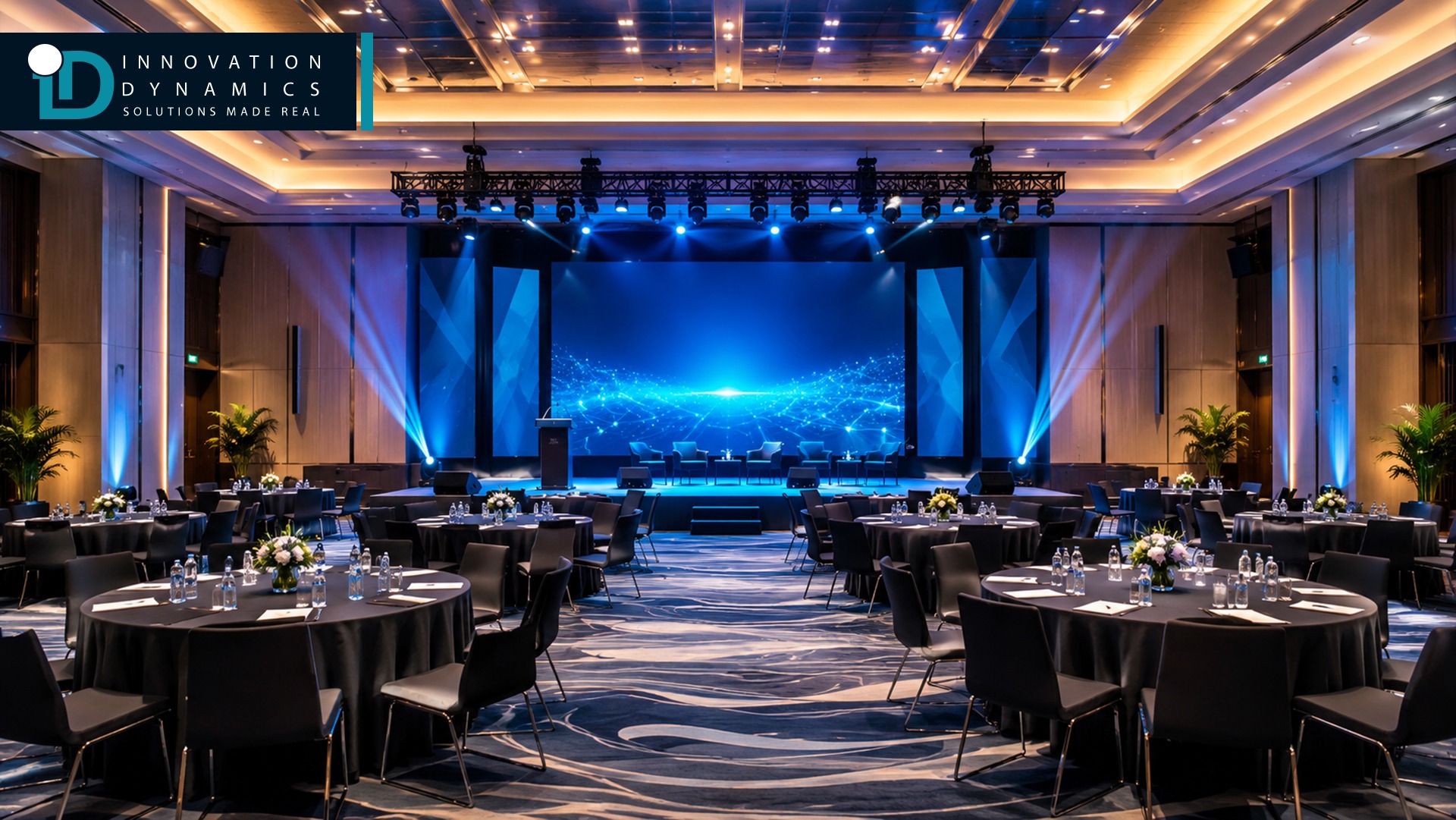
Planning a successful business event requires clear goals, proper organization, and the right venue selection. Companies organize corporate events for different purposes such as networking, product launches, conferences, seminars, team building, and brand promotion.
Choosing the right corporate event venue plays a major role in the success of any business event. The venue affects audience experience, branding presentation, event flow, and overall business impact. A well-planned event venue helps companies create professional experiences and improve attendee engagement.
Before selecting a venue, businesses should clearly define their objectives and understand what they want to achieve through the event. Clear planning helps organizers make better decisions regarding layout, branding, technology, and visitor management.
Why Event Objectives Are Important
Defining event objectives helps businesses organize more focused and successful corporate events.
Clear objectives help companies:
- Improve event planning
- Manage budgets effectively
- Increase audience engagement
- Improve branding opportunities
- Achieve business goals
- Create better attendee experiences
Well-defined goals also help event teams coordinate more efficiently.
Understanding the Purpose of the Event
Every corporate event has a different purpose.
Common business event goals include:
- Brand awareness
- Product launches
- Business networking
- Employee engagement
- Customer interaction
- Corporate training
- Industry conferences
Understanding the main objective helps businesses choose the right venue and event format.
Importance of Audience Analysis
Understanding the target audience is an important part of event planning.
Businesses should evaluate:
- Audience size
- Visitor expectations
- Industry background
- VIP requirements
- Networking needs
- Technical requirements
Audience analysis helps improve event structure and visitor experience.
Choosing the Right Corporate Event Venue
Selecting the right venue depends on the type and size of the event.
Important factors include:
- Venue location
- Accessibility
- Parking availability
- Seating capacity
- Technical facilities
- Branding opportunities
- Lighting and sound systems
The right venue improves comfort, organization, and event performance.
Difference Between Basic and Professionally Managed Corporate Events
| Feature | Basic Corporate Event | Professional Corporate Event |
| Branding Quality | Limited | Strong visual branding |
| Audience Engagement | Basic interaction | Interactive experience |
| Technical Setup | Standard equipment | Advanced technology |
| Seating Arrangement | Simple layout | Optimized audience flow |
| Lighting & Audio | Basic systems | Professional production |
| Visitor Experience | Average | Premium experience |
| Event Management | Limited coordination | Professional execution |
Professional event planning improves audience engagement and creates stronger branding opportunities. A well-organized event also helps businesses create better networking and communication experiences.
Importance of Branding and Presentation
Strong branding improves event professionalism and audience perception.
Businesses should focus on:
- Stage branding
- Digital screens
- Event backdrops
- Marketing materials
- Registration counters
- Presentation visuals
Professional branding creates stronger business visibility during events.
Technology and Event Experience
Modern corporate events often use technology to improve audience interaction.
Popular event technologies include:
- LED display screens
- Live streaming
- Interactive presentations
- Event mobile apps
- Smart lighting systems
- Digital registration systems
Technology improves both attendee experience and event management efficiency.
Event Planning and Execution
Good planning is essential for successful event management. Businesses should focus on scheduling, technical setup, audience flow, and branding coordination to avoid operational issues during the event.
The venue and execution of corporate events matter when businesses want to create professional experiences that improve engagement, networking, and brand visibility during conferences and corporate gatherings.
Budget Planning for Corporate Events
Budget management is one of the most important parts of event planning.
Businesses should plan budgets for:
- Venue rental
- Technical equipment
- Branding materials
- Catering services
- Lighting and audio systems
- Staff management
Proper budget planning helps avoid unnecessary expenses and improves organization.
Importance of Visitor Comfort
Attendee comfort strongly affects overall event success.
Important visitor-focused elements include:
- Comfortable seating
- Clear navigation
- Air conditioning
- Audio clarity
- Easy accessibility
- Refreshment areas
Positive attendee experiences improve networking and audience engagement.
Measuring Event Success
After the event, businesses should evaluate results based on their original goals.
Success measurement may include:
- Audience attendance
- Lead generation
- Networking opportunities
- Brand exposure
- Customer feedback
- Social media engagement
Performance analysis helps businesses improve future corporate events.
Modern Trends in Corporate Event Venues
Modern event venues now focus on:
- Hybrid event experiences
- Interactive technology
- Luxury minimal designs
- Smart lighting systems
- Digital engagement tools
- Sustainable event solutions
Businesses using modern event concepts often create better audience experiences.
Final Thoughts
Defining clear objectives is one of the most important parts of planning a successful corporate event. Selecting the right corporate event venue helps businesses improve audience engagement, branding, networking, and overall event performance.
A professionally managed event venue creates a more organized and memorable experience for attendees while helping companies achieve their business goals more effectively.
FAQs
Why is defining event objectives important?
Clear event objectives help businesses organize better events and improve audience engagement. Proper planning also helps companies achieve marketing and networking goals.
What factors should businesses consider when choosing a corporate event venue?
Businesses should consider location, accessibility, seating capacity, technical facilities, and branding opportunities. These factors improve event organization and visitor experience.
Why is audience analysis important for corporate events?
Understanding the audience helps businesses plan better event experiences and improve engagement. It also helps organizers manage visitor expectations more effectively.
How does branding improve corporate events?
Professional branding improves business visibility and creates a stronger impression during events. It also helps attendees remember the company more easily.
What technologies are commonly used in modern corporate events?
Modern events often use LED screens, live streaming, digital registration systems, and smart lighting. These technologies improve audience interaction and event management.
Why is visitor comfort important during events?
Comfortable seating, clear audio, and easy navigation improve attendee satisfaction and engagement. Positive visitor experiences also improve networking opportunities.
How can businesses measure corporate event success?
Businesses can measure success through attendance, lead generation, audience feedback, and social media engagement. These results help improve future event planning.


